
Published on June 25, 2024
Combating Avian Metapneumovirus (aMPV)
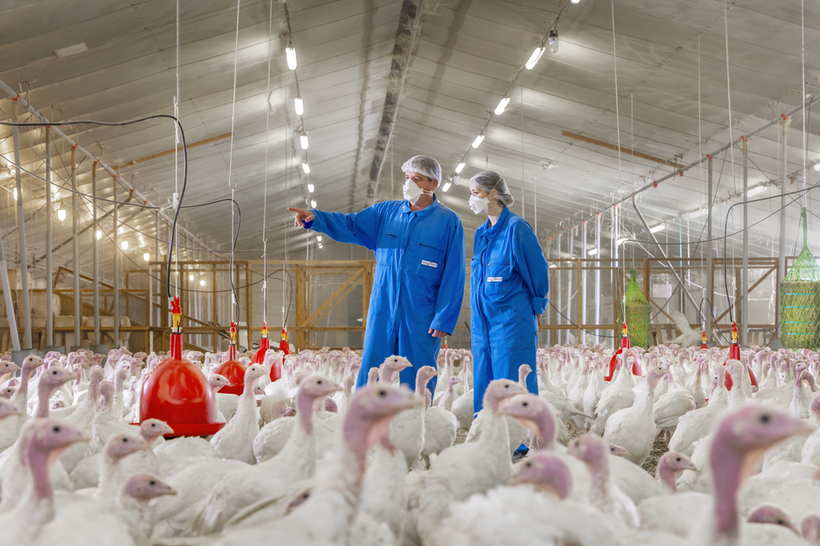
Avian metapneumovirus (aMPV) is a top concern for turkey farmers in the current climate. We understand the stress this disease brings, impacting not only the health of the birds but also the livelihood of those who care for them. This article aims to provide valuable information and support to help manage and mitigate the effects of this disease.
What is Avian Metapneumovirus?
Avian metapneumovirus (aMPV) is a highly contagious virus that spreads through aerosols, direct contact with infected birds, and contaminated people or equipment. Recent outbreaks of this disease were first identified in the US at the beginning of 2024. There are currently four types of this disease known in poultry: A, B, C, and D. Type A can spread through a flock extremely quickly, with an entire flock potentially becoming sick within just one day, while the other types can spread more slowly, depending on a variety of factors.
Infection with Avian metapneumovirus causes immunosuppression, which means lowering the threshold for infection. This makes the birds, which are already susceptible to pathogens like Mycoplasma or E. coli, more likely to get infected. For example, imagine a hurdle that infectious agents must jump over. Initially, this hurdle might be six feet high, but immunosuppression lowers it to two feet, making it easier for infections to occur.
Clinical signs
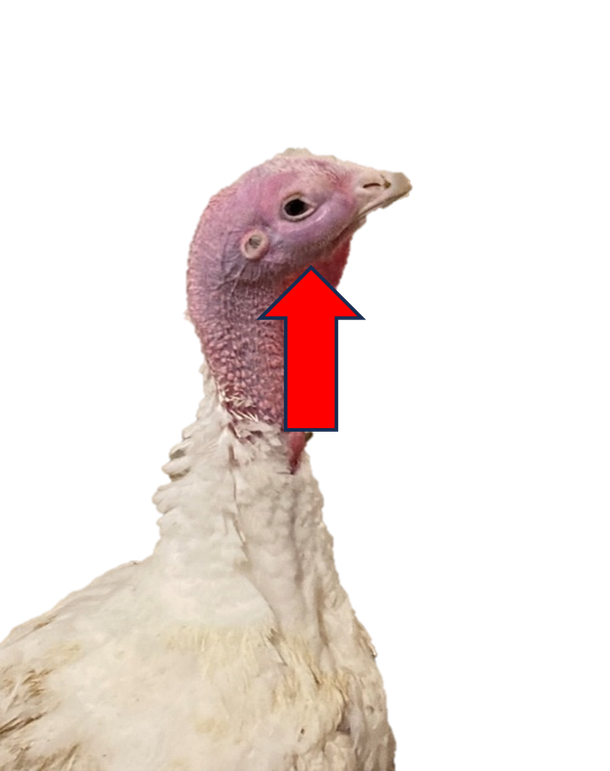
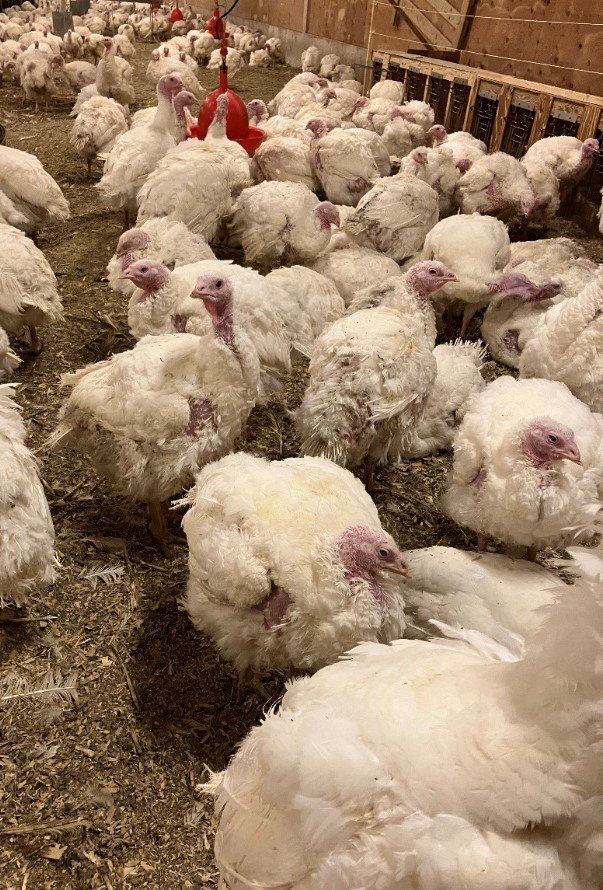
This disease is usually seen in birds between 3 to 12 weeks of age, but birds of all ages are at risk. Symptoms include coughing, swelling of face, conjunctivitis, wet eyes, head shaking, and neurological signs. As mentioned previously, infected birds often suffer from secondary bacterial infections with pathogens such as E. coli, ORT, and cholera. If you are dealing with a health challenge that you've encountered on your farm before, but it's just not responding to treatment or management as it has in the past, this may be a sign of aMPV.
For breeder birds, this disease causes a marked decrease in egg production, up to 70%. Additionally, the quality of the eggs is compromised, leading to poor shell quality, chalkiness, pale color, and misshapen eggs. Increased egg yolk peritonitis is observed in breeders, and there may be a rise in prolapses due to increased coughing.
Prevention
The first step in prevention of these diseases is to properly manage the flock's environment. This means keeping barn well-ventilated and maintaining optimal humidity and air quality parameters. Biosecurity is another key component in keeping diseases out of the barn. Practice good biosecurity protocols such as cleaning and disinfection, farm entry procedures, and insect/wild bird/rodent controls.
Next, be sure to keep a close eye on how the birds are behaving and performing. If you're questioning whether something seems wrong, call your veterinarian for support. Being proactive can make the difference in avoiding losses and keeping secondary bacterial infections at bay. However, important to keep in mind is that this disease is extremely volatile and difficult to contain. The industry continues to work towards solutions, including vaccine development, to better protect flocks. For further information and resources, farmers are encouraged to consult updates from industry associations and government agencies:
Minnesota Turkey Grower's Association
Or visit our resources page on Turkey Health