Published on July 24, 2026
Beat the Heat: Simple Steps to Keep Turkeys Comfortable and Performing
When temperatures climb, turkeys feel it too. Hot weather can quickly lead to reduced feed intake, slower growth, lower production, and added stress on the flock. The good news? A few proactive management practices can go a long way in helping birds stay comfortable, healthy, and productive through the hottest days of summer.
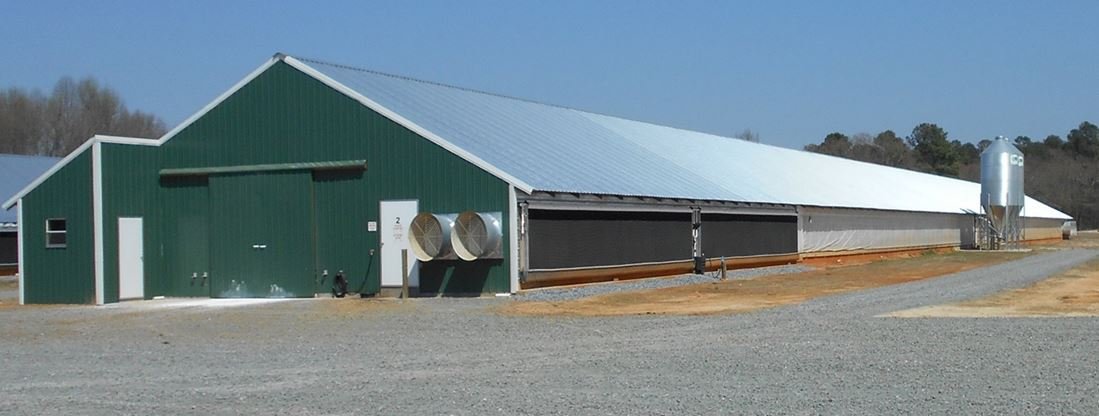
Ventilation: Keep Air Moving
Good airflow is one of the most effective ways to help birds cope with heat. A light airspeed of approximately 350 FPM (2.4 km/h or 4 mph) can reduce the effective temperature felt by birds by 10°F to 15°F (5°C to 8°C).
Tips for Better Ventilation
- Install at least one 36-inch circulation fan (11,000 CFM) every 40 to 50 ft (12 to 15 m) in curtain-sided barns.
- Wider barns may require additional rows of fans.
- Use baffles to direct airflow downward toward the birds.
- Check and maintain fan belts regularly. Loose or worn belts can reduce airflow by 10% to 30%.
- Clean shutters, screens, and air inlets to keep air moving efficiently.
- Verify alarm systems are functioning properly.
Evaporative Cooling
Evaporative cooling systems, such as sprinkler systems or high-pressure/low-volume foggers can help reduce barn temperatures when conditions allow.
- Inspect, clean, and test all cooling equipment before hot weather begins.
- Recognize that cooling effectiveness depends on outside humidity levels. Drier air allows for greater evaporation and more cooling.
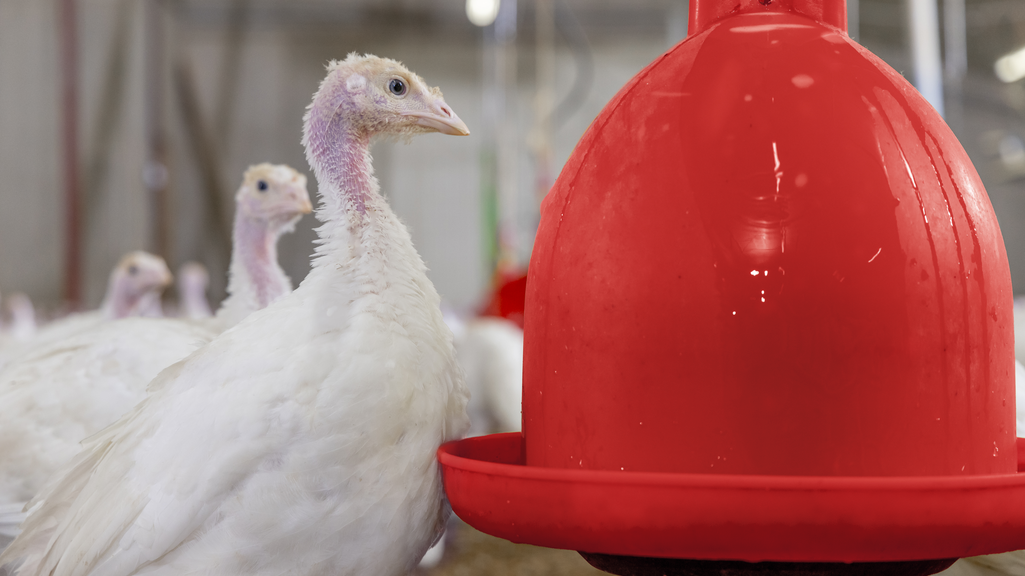
Water: Your Best Defense Against Heat Stress
When it's hot, access to clean, cool water becomes even more important. Birds may drink two to three times more water during heat events, so water systems need to perform as efficiently as possible.
Water Management Essentials
- Inspect drinkers and water lines frequently to ensure good flow.
- Replace water filters regularly and keep spares on hand.
- Provide plenty of drinker space. For bell drinkers, aim for 100 birds per drinker.
- Flush water lines and refresh drinkers often to keep water cool.
- Maintain excellent water quality, targeting an ORP above 750 mV.
- Consider adding vitamins or electrolytes during periods of extreme heat as recommended by your nutritionist.
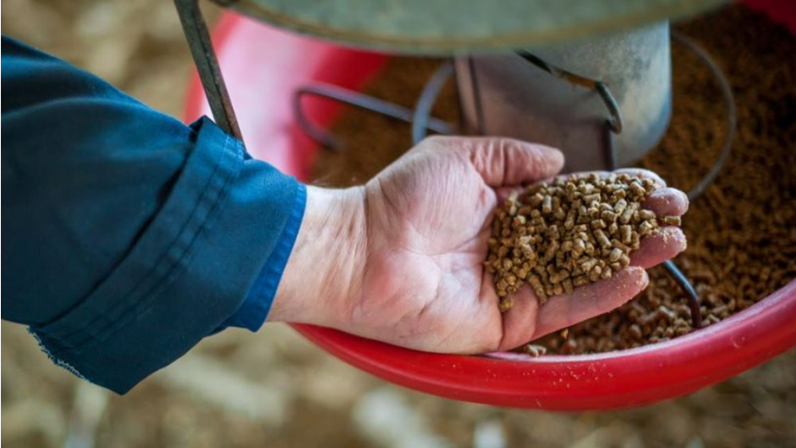
Feed Smart During Hot Weather
Digestion generates body heat, making feeding strategies important during hot weather.
Feeding Tips
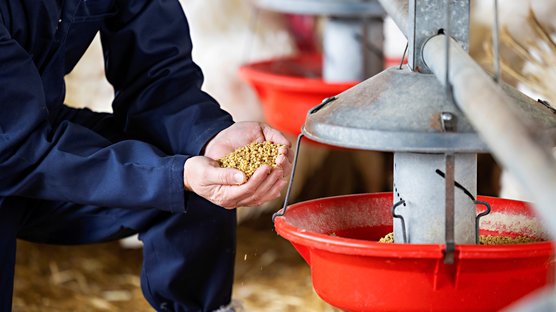
- Allow birds to consume and clear feed before peak daytime temperatures.
- Consider a short feeding period during the night ("midnight snack") to stimulate feed and water intake.
Bird Handling
Bird handling activities can significantly increase heat stress. During a heat event, follow these recommendations.
- Schedule activities such as selection, artificial insemination, vaccination, moving, or loading birds during the coolest hours of the day.
- Postpone non-essential handling whenever possible.
- Minimize stress and disturbance to birds during heat events.
Stocking Density
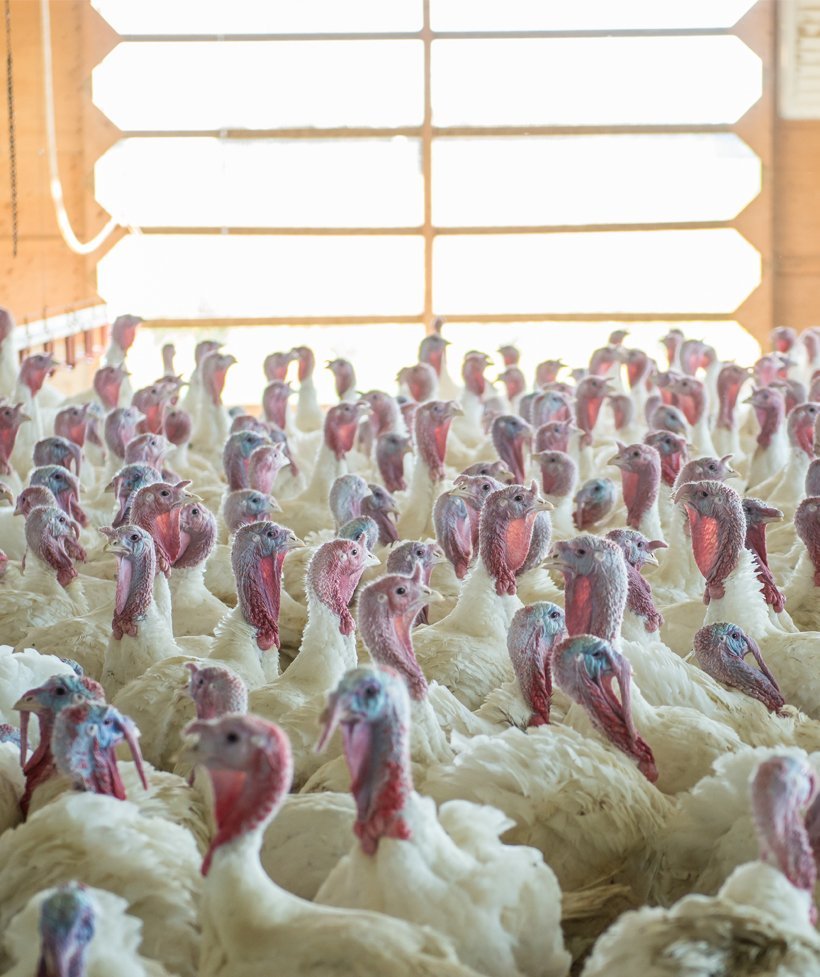
Reducing bird density can improve bird comfort and decrease heat production within the barn. In well-designed, tunnel-ventilated barns with effective evaporative cooling, higher summer stocking densities may still be economically justifiable when managed appropriately.
The Bottom Line
You can't control the weather, but you can prepare for it. Strong ventilation, reliable water systems, smart feeding strategies, effective cooling, and careful flock management all play an important role in reducing the impact of heat stress. A little preparation before temperatures rise can help keep birds comfortable, productive, and performing at their best all summer long.