Published on Sept. 29, 2026
The Hidden Feed Risk Facing Turkey Producers This Harvest Season
As harvest season gets underway across North America, turkey producers and nutritionists are preparing for the annual transition to new crop grains and soybean meal. Due to unique weather conditions this year, nutritionists are anticipating an increase in mycotoxin risk. In this guest article, Keith Turner, Poultry Nutritionist at CSA Animal Nutrition, shares his perspective on the crop conditions, potential feed quality challenges, and the steps producers can take to protect flock health and performance.
Read on to learn how recent weather patterns throughout key crop-growing regions will make feed testing more important than ever in the months ahead.
Weather Conditions Raise Potential for Toxins
This year's crop has experienced a wide range of environmental conditions. Some regions have endured prolonged heat and drought, while others have faced excessive moisture and delayed harvests. This means the increased likelihood of mold and fungus issues emerging, which has already been observed in some soybean crops in Eastern Europe.
Excess moisture during the growing season and harvest period creates ideal conditions for mold growth and mycotoxin contamination. When grains and soybeans are harvested with higher moisture levels and then stored without adequate drying, often due to rising fuel costs and efforts to reduce gas use, the risk of mold and toxin development increases. As a result, nutritionists anticipate a greater need for feed testing to monitor and manage potential contamination risks.
Mycotoxins Can Impact Bird Performance
Several mycotoxins can affect poultry health, but there are two that are particularly important for turkey producers: aflatoxins and T-2 toxins. The challenge is that performance issues caused by mycotoxins may not always be immediately obvious. Instead, producers may notice subtle changes in flock behavior and health.
If feed contamination is suspected, several indicators may appear within the flock. Within the first 4-5 weeks, they may start to see mouth lesions and feed refusal as the T-2 toxins will burn the underside of the tongue. They may see lesions in the gizzard lining and on the liver. In some cases, kidney damage associated with toxin exposure can contribute to excessive water consumption and noticeably wetter litter conditions. At this stage, birds become more vulnerable to secondary health challenges, making early identification and intervention critical. Typical signs of mycotoxin contamination in feed include:
- Reduced feed consumption or feed refusal
- Increased water intake
- Wet litter conditions
- Ruffled or poor-quality feathering
- Signs of poor nutrient absorption
- Lethargic activity
- Increased susceptibility to secondary health challenges
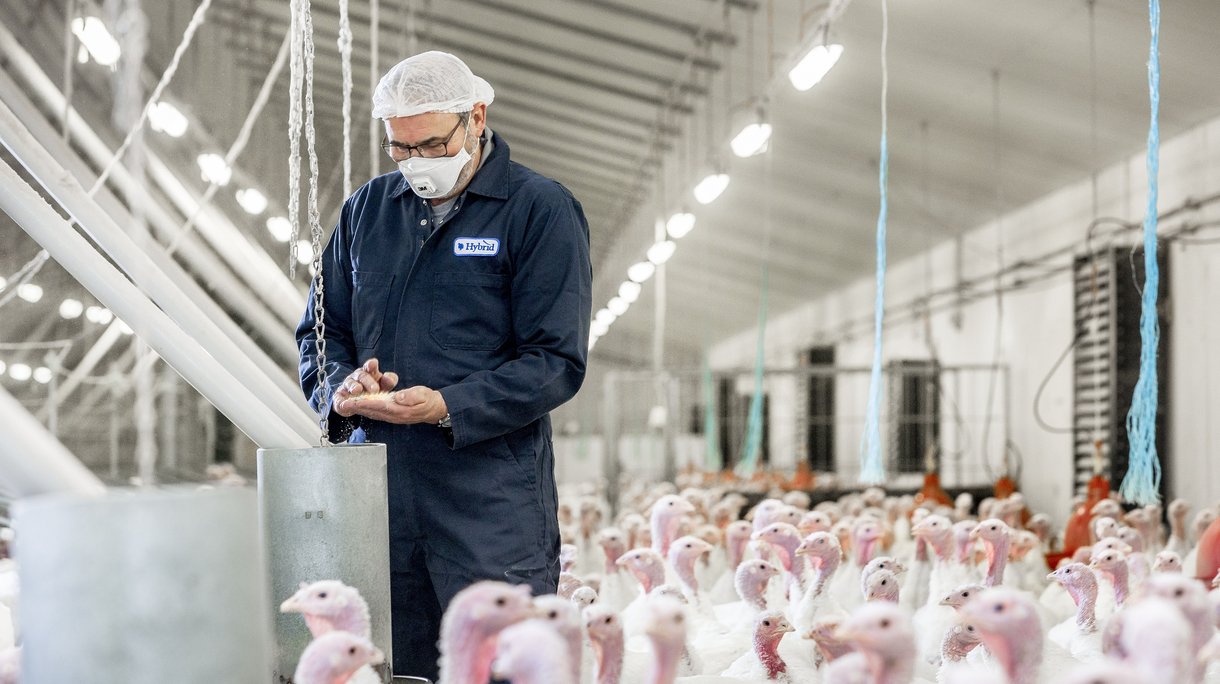
Suspect a Feed Issue? Start with Proper Sampling
When investigating potential feed-related problems, obtaining an accurate feed sample is essential.
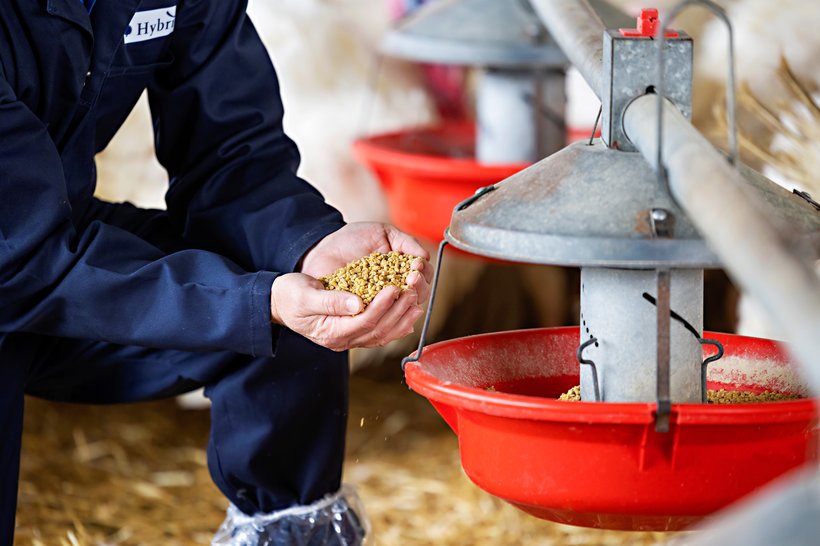
It is recommended to collect samples directly from the feed hopper or bin rather than from feed pans in order to get the most accurate report.
Once collected, samples should be submitted for laboratory analysis. While some rapid screening technologies can provide preliminary information, laboratory testing remains the most reliable method for identifying mycotoxin concerns.
If contamination is confirmed, producers should work closely with their feed supplier, nutritionist, and live production team to address the issue. In many cases, the first step is replacing the suspect feed and thoroughly cleaning the feed bin before introducing fresh feed.
Staying Ahead This Fall
New crop season always introduces some degree of variability, but this year's combination of weather extremes and harvest conditions may increase the likelihood of feed quality challenges.
By prioritizing ingredient testing, monitoring bird behavior closely, and responding quickly to potential issues, turkey producers can help protect flock health and maintain performance throughout the season.