Published on April 23, 2018
The Complete Guide to LED Lighting for Turkey Farms
Throughout the world, many turkey producers are switching to LED lights in their barns. Significant savings on electrical operating costs makes LED lighting an attractive option. Before you flip the switch, it is important to buy the correct type and to ensure your existing system is properly set up to support LED lighting. Without proper research and set up, poor lighting can result and your birds may be negatively affected.
Note: A glossary of technical terms is available at the end of the article.
Thinking of switching to LED lights? Read this first
Lighting is a critical factor in modern turkey production, influencing everything from bird health to operational efficiency. As the poultry industry evolves, turkey farmers, farm managers, and poultry technicians are increasingly turning to LED poultry lighting solutions to optimize performance and sustainability. This comprehensive guide explores the advantages of LED barn lights for turkey farms, offers practical implementation tips, and highlights the latest trends shaping the future of poultry lighting.
It is important to understand that turkeys receive and interpret light differently than humans. Although the lights may seem perfectly normal to our eyes, to a turkey, the light could look like what you see in the video below. I took this video on my cell phone and then played it in slow motion. This is a quick and easy method to check the effect of your LED lights on your turkeys. As you can see, these lights are not set up correctly, leading to a high flicker rate. This situation can increase aggressive behaviour in your flock.
Recommendations for commercial turkey growers
Make sure that whatever light bulbs you buy, fit within these parameters:
- Rated life span: 40 000 to 80 000 hours
- Warranty: 5 full years
- Dimmable: Range of 0.2% through 100%.
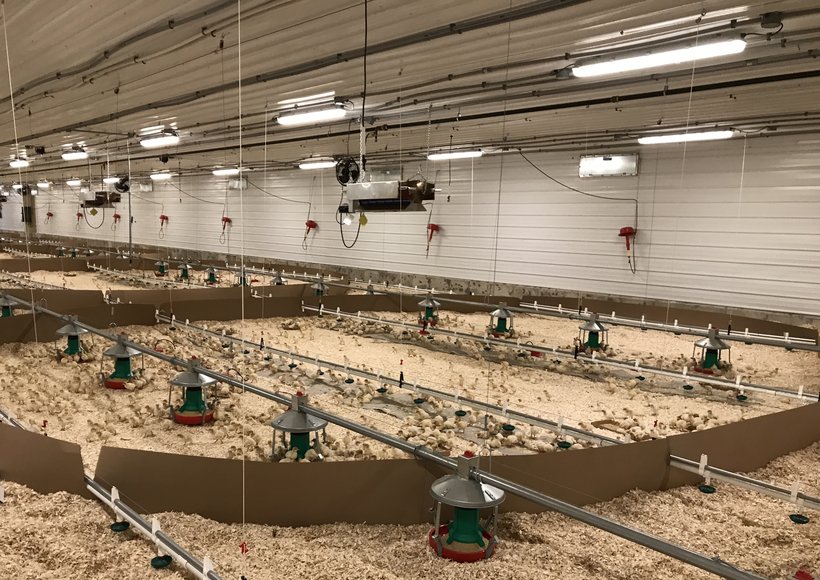
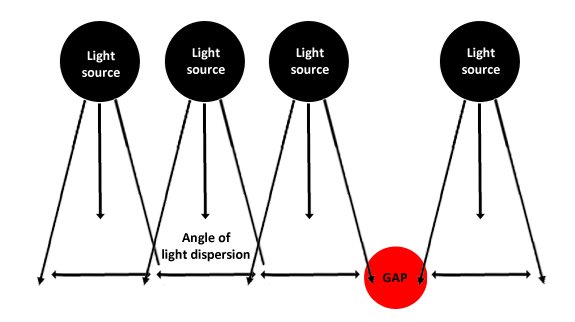
- LED beam angle: This is important to consider in order to make sure there are no gaps without light. Uniform spacing and installation of lights, based on the beam angle, will help to avoid dark spaces or shadows on the floor
- Operating temperature: -40F to 131F (-40C to 55C)
- Power factor: Ratio of real power to the apparent (used) power (>0.90%).
- IP grade: 65 or higher. This means that the light is dust tight with no ingress of dust and is protected against water jets from any angle. Note: If the IP grade is too low, especially the second number, the lights could be damaged during washing and disinfection of the barn.
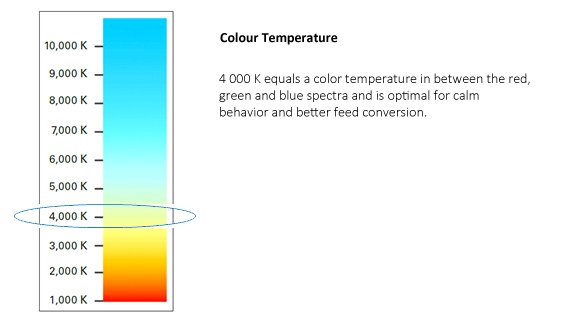
- Color temperature: 4 000 Kelvins (K)
- Foot Candles (FC) or LUX:
First week: 8 to 10 FC = 86.08 LUX to 107 LUX
Second week onwards: 4 to 5 FC = 43.04 LUX to 53.8 LUX
Second week onwards (if the flock has not received beak treatment): 2 to 2.5 FC = 21.52 LUX to 26.9 LUX
Summary
The key to success with lighting is UNIFORMITY.
If you have any questions or concerns about LED lights in your facilities, contact a Hybrid representative or consult with a licensed electrician.
Whether using LED, fluorescent or incandescent lights, it is important to follow a lighting schedule that allows for periods of both light and darkness. For more information on lighting schedules for commercial turkeys visit www.resources.hybridturkeys.com
Glossary
LED: Light Emitting Diode. LED bulbs use a semiconductor device that emits visible light when an electric current passes through it.
IP grade: Ingress Protection grade. This is a measurement of the level of protection of an item against solid objects, such as dust and dirt, and liquids. It is always a two digit number. The first number is a score for protection against solids and is based on a scale of 0-6. The second is the level of protection against liquids and moisture and is scored on a scale of 0-8.
Kelvins: unit of measurement used to describe the hue of a light source
Foot Candle: unit of imperial measurement used to describe the intensity of a light.
LUX: unit of metric measurement used to describe the intensity of a light.
Read more
- Lighting solutions for turkey barn: https://www.hybridturkeys.com/en/products/lighting-solutions/
Best Practices for Implementing LED Lighting in Poultry Houses
Selecting the Right LED Fixtures
Choose LED lights specifically engineered for poultry environments. Look for features such as dimmability, waterproofing, and resistance to ammonia and dust. Partnering with reputable suppliers ensures compliance with industry standards and access to technical support.
Optimizing Light Intensity and Spectrum
Work with poultry lighting specialists to develop a lighting program that matches the needs of your turkey breed and production goals. Adjust light intensity (lux), color temperature, and photoperiod to support each stage of bird development, from brooding to finishing.
Maintenance and Monitoring
Regularly inspect and clean fixtures to maintain optimal light output. Utilize smart controls and sensors to automate lighting schedules and monitor performance, ensuring consistency and efficiency across your operation.
Common Challenges and How to Overcome Them
Transitioning to LED lighting may present challenges such as upfront investment costs and the need for staff training. However, government incentives, energy rebates, and long-term savings offset initial expenses. Engage with industry experts and leverage educational resources to ensure a smooth transition and maximize results.
Case Study: LED Lighting Success on a Commercial Turkey Farm
A leading turkey producer partnered with Hybrid Turkeys to retrofit their barns with advanced LED lighting systems. The results were immediate: a 35% reduction in energy bills, improved flock uniformity, and enhanced bird welfare. Farm managers reported easier maintenance and greater control over lighting programs, underscoring the value of investing in modern poultry lighting solutions.
The Future of Poultry Lighting: Innovations and Trends
Emerging technologies such as smart lighting controls, automated dimming systems, and biologically optimized light spectra are shaping the future of turkey production. As research advances, expect further improvements in bird performance, energy efficiency, and farm management capabilities.
Resources for Turkey Farmers: Lighting Solutions and Support
Hybrid Turkeys offers a range of resources to support your transition to LED lighting, including technical guides, product recommendations, and expert consultations. Explore our Lighting Solutions for Turkey Farms, Management Resources, and Contact Our Experts for personalized support.